







Search Results for: Heytea recruitment
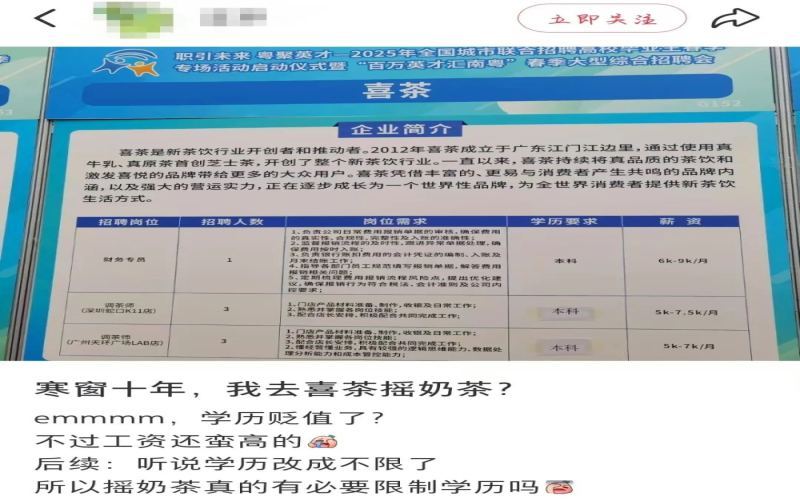
HEYTEA's barista job posting requiring a bachelor's degree sparks debate; store responds that promotions are not based solely on academic qualifications.
Recently, Heytea publicly recruited tea preparers at a job fair in Guangzhou, and the education requirement column conspicuously stated "bachelor's degree," sparking widespread discussion on social media platforms. An applicant revealed that the requirement was initially "associate degree," but was later changed to "bachelor's degree" with a sticker. Many netizens questioned: does shaking milk tea require a bachelor's degree? In response, a Heytea store stated that the tea preparer position places more emphasis on individual ability, education is not a hard threshold, and promotions are not based on education. After the incident gained traction, the education requirement on the recruitment notice was changed back to "no requirement." This recruitment controversy reflects the sensitive topic of the match between education and job positions in the current job market, and also prompts people to reconsider: where exactly is the professional threshold behind a cup of milk tea? [more…]
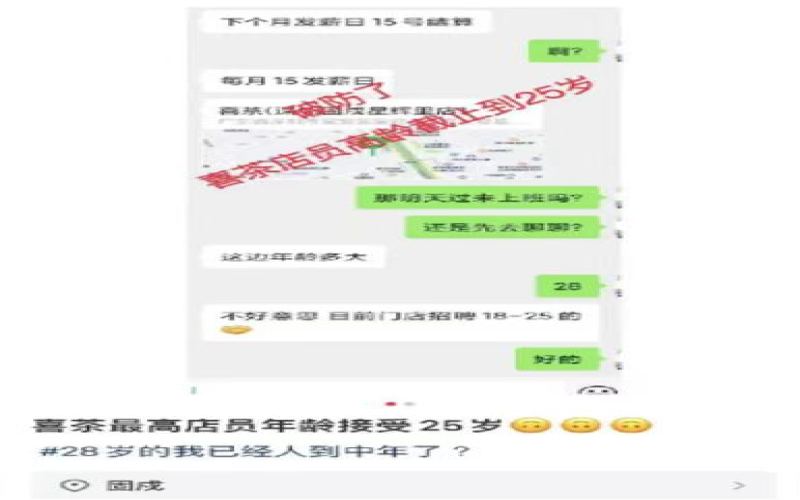
The HEYTEA Store Age Threshold Controversy: A Discussion on Employment Discrimination Sparked by a 25-Year-Old Job Applicant Being Rejected
Recently, a Heytea store in Shenzhen has landed in a whirlwind of public opinion for recruiting only employees aged 18 to 25. After a job seeker over 25 was rejected, it sparked heated discussion among netizens. Some criticized it as blatant age discrimination, while others believed that because work at milk tea shops is intense, companies have the right to choose freely. Behind the incident, it reflects the widespread preference for the "youth dividend" in the current job market, as well as the difficulties faced by middle-aged job seekers. Legal professionals pointed out that such a practice is suspected of violating the Labor Law and the Employment Promotion Law, and the Shenzhen Federation of Trade Unions also spoke out in criticism. Heytea responded that it was a communication deviation at a single store. Who is right and who is wrong in this controversy? Will young people over 25 still continue to drink Heytea? [more…]
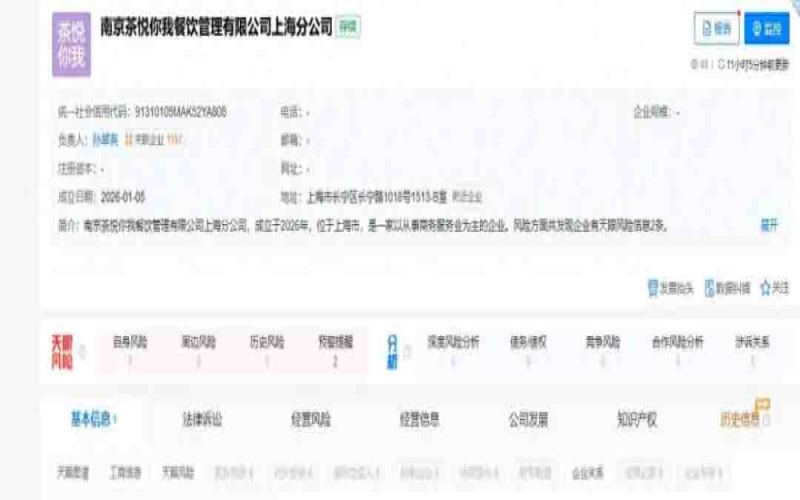
Chayan Yuese's Shanghai and Shenzhen expansion sparks heated discussion, with netizens focusing on the redemption mechanism and market competition.
Recently, Changsha tea beverage brand Chayan Yuese has attracted widespread attention due to the establishment of a branch company in Shanghai and the release of recruitment information in Shenzhen. There has been much speculation from the outside about whether it will enter the Shanghai and Shenzhen markets, but the brand responded that the new Shanghai company is only a creative studio and there are currently no plans to open stores. However, the focus of netizens' discussion has fallen on Chayan Yuese's signature queuing and verification mechanism—many people believe that this model is difficult to adapt to the fast-paced consumption habits of Shanghai and Shenzhen, and that if it insists on its original rules, it may be difficult to gain a foothold. At the same time, Heytea, Chagee, and local brand Tea Li Yishi have already occupied the local market. If Chayan Yuese enters at this time, the competitive pressure cannot be underestimated. This article will sort out the ins and outs of the incident and the views of all parties. (Compiled by Front Street Coffee) [more…]
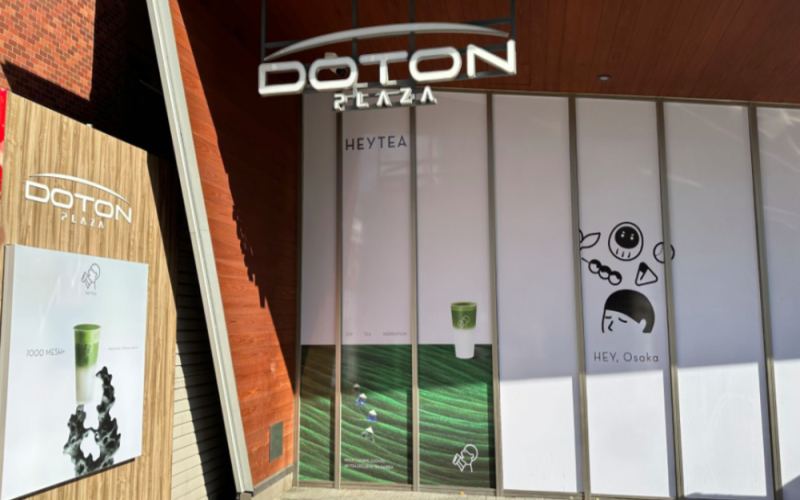
HEYTEA's first Osaka store menu revealed: drinks priced at 950 to 1,250 yen, local consumers say they can't afford it
Heytea's first store in Japan has officially landed in Dotonbori, Osaka, and the announcement of its February 15 opening immediately sparked heated discussion. Yet compared with the opening itself, what really set netizens abuzz was the menu pricing leaked on the mini-program—most drinks are priced between 950 and 1,250 yen, equivalent to about 45 to 60 yuan, nearly more than double the domestic price. Some Japanese netizens compared it with local rice prices and lamented that four cups of Heytea could buy five kilograms of rice. Are overseas ingredient and rent costs enough to justify this pricing? And are local consumers willing to pay? This article takes you through it. [more…]
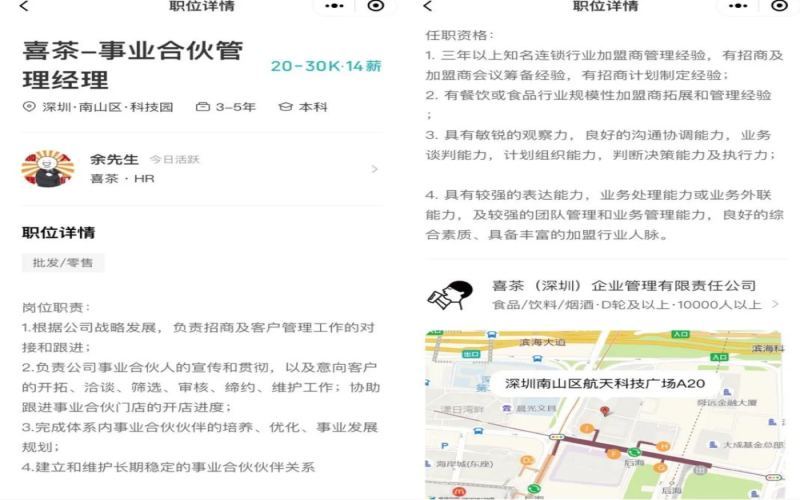
Heytea officially opens business partner franchising: investment within 500,000 yuan, focusing on small stores of about 50 square meters—can it leverage this to break through into lower-tier markets?
Following the closure of the last store of its sub-brand Xixiaocha, Heytea confirmed on November 3 that it will open franchising, with partnership fees kept under 500,000 yuan and franchise store formats primarily under 50 square meters. Heytea stated it will leverage a decade of accumulated experience and resources to develop its partnership business in non-first-tier cities with suitable store formats, providing partners with comprehensive support in branding, products, quality control, food safety, operations, training, and supply chain. In recent years, Heytea has accelerated its expansion into lower-tier markets, successively adjusting prices, launching IP collaborations, and shutting down its budget sub-brand. Opening franchising is now seen as a key step to further capture market share in third- and fourth-tier cities. Whether the new tea beverage sector will face a new round of involution, and whether direct-operated brand Nayuki will follow suit, remains worth watching. [more…]
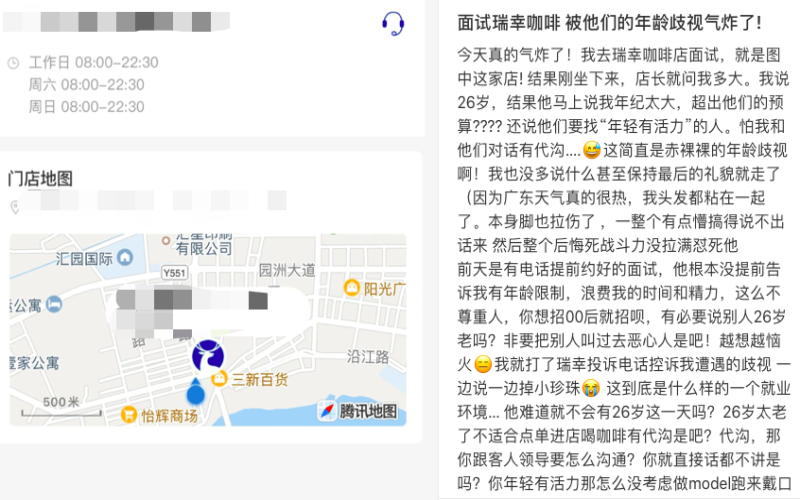
26-year-old job applicant rejected by Luckin Coffee interview due to age restriction, raising concerns about hiring thresholds in the freshly made beverage industry
Recently, news about a 26-year-old job seeker being rejected during a Luckin Coffee interview because their age did not meet the requirements sparked heated discussion. The brand later apologized and offered compensation, but the incident reflects a widespread age threshold problem in the freshly made beverage industry. From Luckin to Cotti, Manner, and then tea drink brands, 18 to 35 seems to have become an invisible red line in recruitment. Is this due to the characteristics of the industry, or a choice made under the imbalance between supply and demand in the job market? Front Street Coffee takes you into an in-depth discussion. [more…]

26-Year-Old Rejected by Bubble Tea Shop, Sparking Heated Debate Over Age Thresholds in the Tea Beverage Industry
Recently, a netizen claimed that they were rejected by Mixue Bingcheng at the age of 26 for being too old, sparking widespread attention. In fact, age restrictions for staff in the tea beverage industry are nothing new; some stores even only hire young people aged 16 to 19, and it is very difficult to enter the industry after 25. Customer service at the headquarters responded that recruitment age is decided by individual stores, while stores place more emphasis on employees' physical stamina and stability. This wave of age anxiety is spreading from baristas to the entire tea beverage service industry, leaving many overage job seekers feeling helpless. [more…]

Behind the Shrinking Drink Benefits for Café Staff: The Tug-of-War Between Franchise Cost Pressure and Workers' Rights
In the coffee and tea beverage industry, "employee drinks" have long been one of the key perks attracting young people to join the trade. Recently, however, multiple employees of Heytea and Luckin Coffee have alleged that their stores have canceled or scaled back this benefit, citing declining performance. An investigation found that employee perks at directly operated stores are still intact for now, but workers at franchise and joint-venture stores are frequently seeing their benefits shrink. The employee drink perk promised by the brands is actually borne by franchisees, and some franchisees, in order to cut costs, either cancel the benefit or strictly tighten the conditions for using it. This phenomenon has drawn industry attention: when the pressure of store operations is passed down to frontline employees, who should foot the bill for employee benefits? Front Street Coffee keeps a close eye on developments in the coffee industry, and this article takes you through the ins and outs of this battle over benefits. [more…]
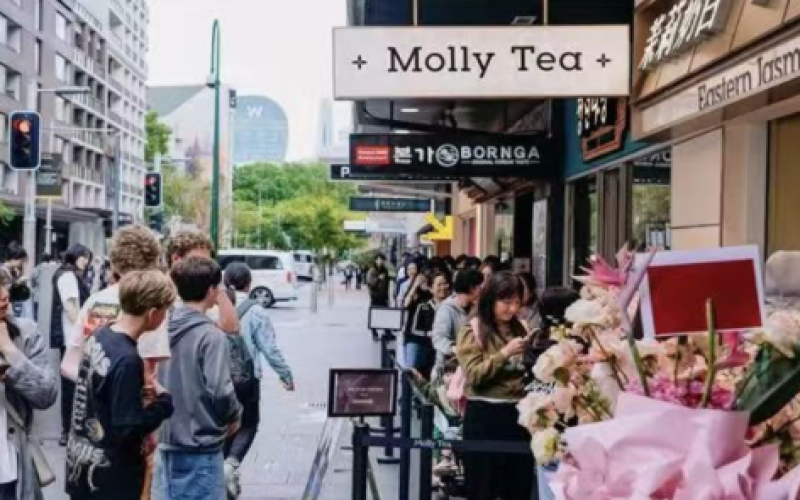
Jasmine Naibai Opens First Store in Sydney Chinatown, Selling Over Ten Thousand Cups in Three Days, Setting a New Overseas Record
The overseas expansion of mainland China's new-style tea beverage brands continues to accelerate, with the Australian market emerging as a sought-after destination for many tea companies racing to establish a presence. Molly Tea, a brand specializing in oriental floral tea drinks, officially opened its first Australian store in Sydney's Chinatown on October 18—its third overseas outlet following New York and Bangkok. During the two-day soft opening, pink sachets were given away; over the first three days of official operation, a buy-one-get-one-free promotion was offered. City-exclusive hanging sachets, Sydney Opera House hanging sachets, and pink DuPont bags were distributed simultaneously. The brand claims that within three days, the store's GMV approached AUD 28,000, total cups sold exceeded 10,000, and single-day sales hit a new overseas high. This article will examine the layout logic and market response behind this new store from aspects such as site selection, design, product strategy, and opening performance. [more…]
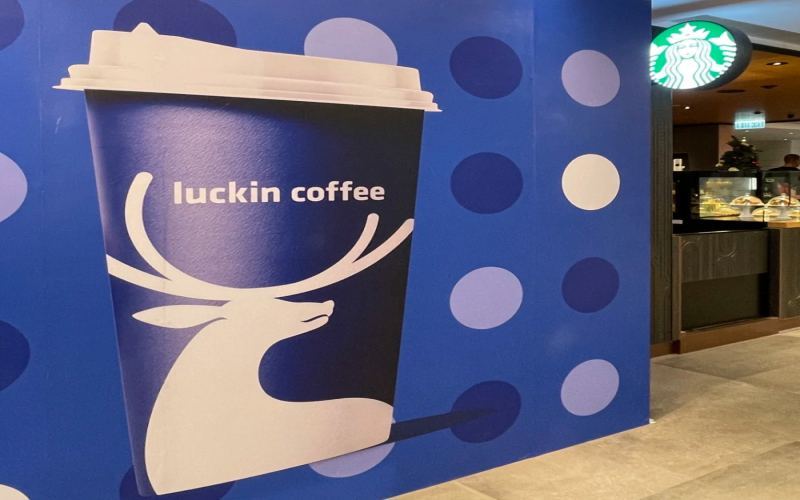
Luckin Coffee's Hong Kong layout of seven stores: can its affordable pricing strategy continue? This has drawn attention.
Luckin Coffee has been making frequent moves in the Hong Kong market recently. According to netizens' compilation, seven stores are currently in the preparatory stage, located in Mong Kok, Tsim Sha Tsui, Tseung Kwan O, Kowloon Tong, Sha Tin, Ho Man Tin, and Sheung Wan. Among them, the Tsim Sha Tsui branch is situated right next to Starbucks, seen as a signal of direct confrontation between the brands. These stores are all currently shown as under renovation, with hoardings marked "Opening Soon." The Tsim Sha Tsui store is expected to open first early next month, and the Tseung Kwan O store is also expected to welcome customers in December. As Hong Kong people increasingly travel north to consume, mainland catering brands are heading south to test the waters. Luckin's entry has local consumers eagerly anticipating whether "9.9 yuan coffee" can land in Hong Kong. [more…]
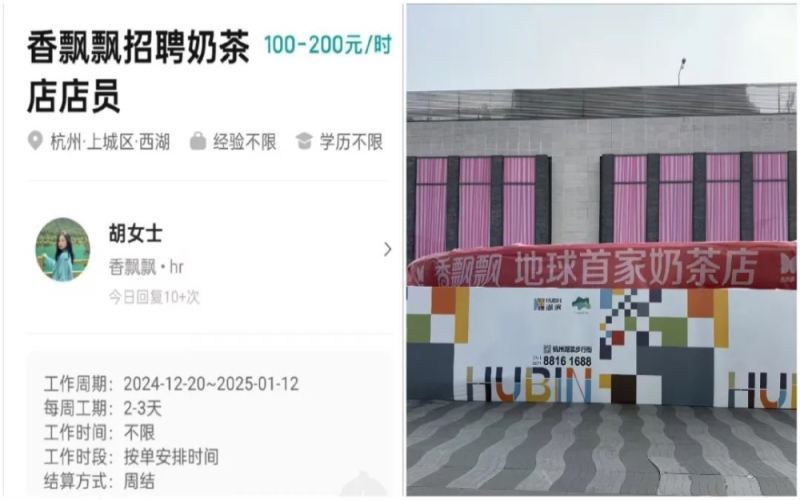
Xiangpiaopiao Opens Its First Global Offline Milk Tea Store in Hangzhou, Freshly Brewed Instant Model Sparks Heated Consumer Discussion
Xiangpiaopiao's first global offline store recently officially opened in Hangzhou Hubin. Milk tea priced at 9 to 12 yuan, combined with a buy-one-get-one-free opening promotion, attracted a large number of consumers to queue up in the cold winter to try it. However, the store's preparation method surprised many people—staff did not shake and make the tea drinks on site, but instead opened instant tea packets, brewed them separately, and then mixed them with blending powder and toppings, which netizens jokingly called "hand-brewed instant milk tea." This model forms a sharp contrast with mainstream freshly made tea beverage brands, and has also triggered widespread discussion about the value of instant products versus freshly made milk tea. Whether Xiangpiaopiao can win over picky milk tea lovers with emotional value remains to be tested by the market. [more…]
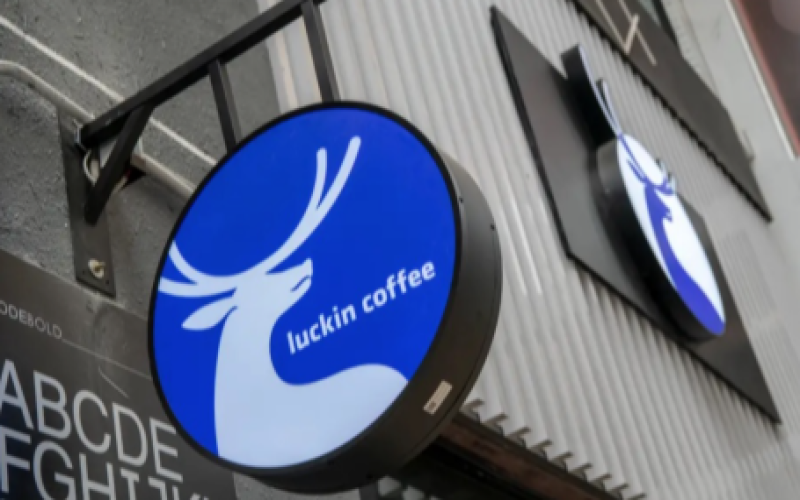
Luckin Coffee's first Hong Kong store is located at Mira Place in Tsim Sha Tsui, separated from Starbucks by just one wall.
Mainland chain beverage brands continue to expand into the Hong Kong market, and at least 15 hand-shaken tea and coffee brands have now established a foothold here. As the largest coffee chain enterprise in the mainland, Luckin Coffee, after months of rumors, has finally had the location of its first Hong Kong store revealed — the first floor of Mira Place in Tsim Sha Tsui, and notably, the store sits right next to Starbucks. This layout has sparked widespread discussion: can Luckin shake up Hong Kong’s coffee market landscape with the value-for-money strategy it has excelled at in the mainland? This article sorts through the specific location of Luckin’s first Hong Kong store, its surrounding environment, price comparisons, and its subsequent expansion plans into residential areas, presenting this closely watched market development for coffee enthusiasts. [more…]
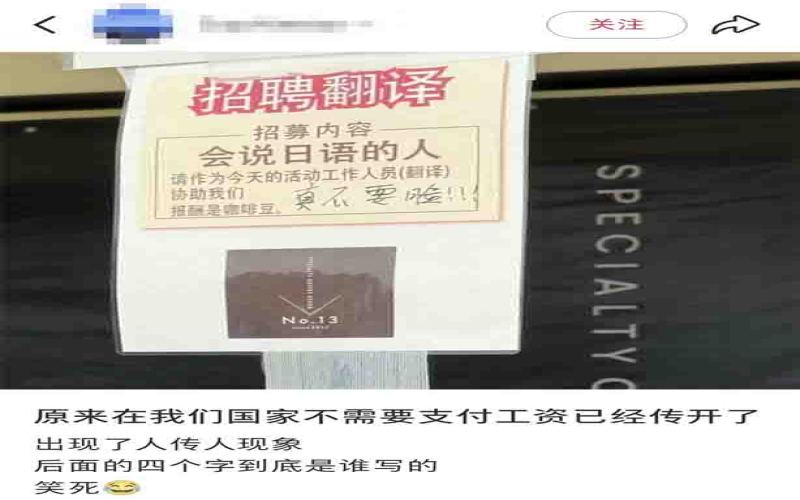
Coffee festival recruitment for Japanese translators offers coffee beans as payment, sparking both jokes and heated discussion online
Recently, at a coffee festival in Jiangmen, Guangdong, a coffee bean stall put up a notice recruiting a Japanese translator, claiming the payment would be coffee beans, which sparked widespread discussion online. In photos taken by passersby, someone had written "Shameless" in large characters in the blank space on the recruitment board. Netizens had mixed views: some joked, "Is it pure gold coffee beans?", while others speculated that the stall owner originally intended to recruit volunteers and thank them with coffee beans. The poster revealed that the stall owner might not understand Chinese and was unaware of the message. This article reviews the course of the incident and the views of all parties, and retains recommendations related to the Front Street brand. [more…]
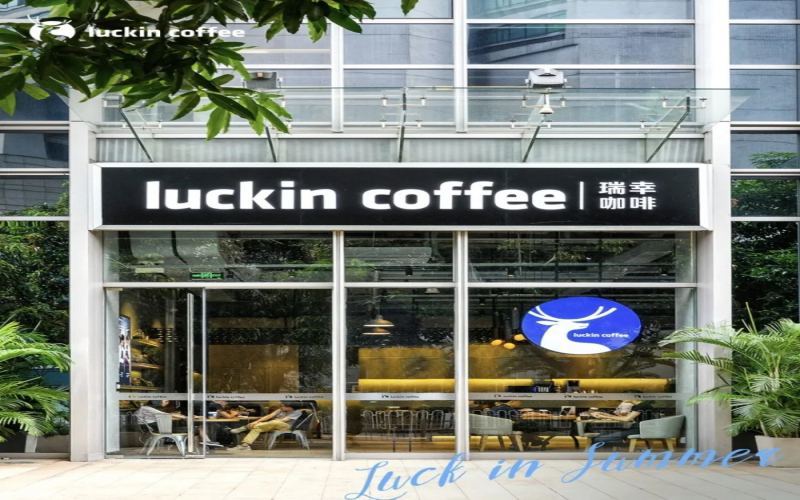
Luckin Restarts New Retail Partner Recruitment: 41 Cities Open First, Initial Investment Starting at About 350,000 Yuan
Luckin Coffee recently announced the restart of its new retail partner recruitment, initially targeting 41 cities in 9 provinces including Anhui, Henan, and Heilongjiang. The company states that no franchise fee is charged, but franchisees must cover upfront costs such as security deposits, design fees, renovation, and equipment, totaling approximately 350,000 to 370,000 yuan. The cities opened this time are all areas that already have franchise stores but with low density, and Luckin hopes to accelerate market penetration through the joint venture model. Its Q3 2022 financial report showed that revenue from joint venture stores increased by 116.1% year-on-year, becoming an important engine for performance growth. For inexperienced franchisees, the headquarters will provide support such as on-site store guidance, event planning, and online operations. [more…]
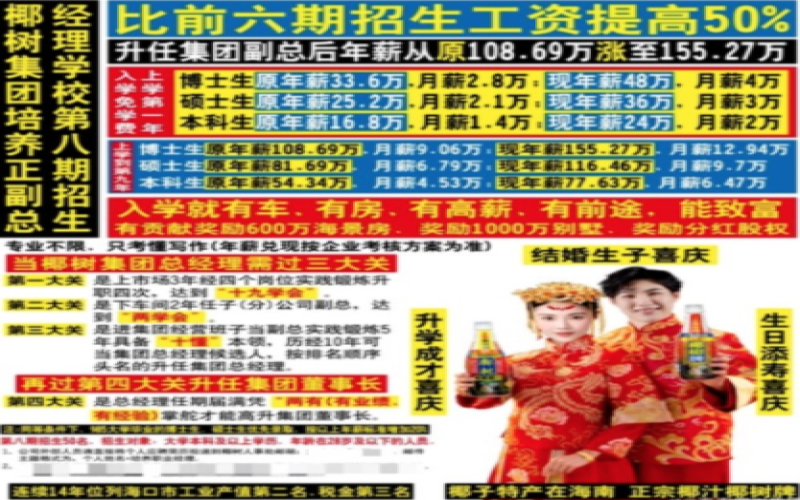
Coconut Palm Group's eighth recruitment drive offers annual salaries up to 480,000 yuan, sparking heated debate and controversy with its changed advertising style.
Coconut Palm Group recently released an advertisement for the eighth intake of its training school for deputy general managers, drawing attention with a maximum annual salary of 480,000 yuan and generous perks such as a car and housing upon enrollment, while also replacing its previous sexy model images with a festive wedding style, sparking heated discussion among netizens. This is not the first time Coconut Palm has found itself in controversy over its advertising—over the years it has persisted in borderline marketing and has been penalized by regulators multiple times, including a 400,000 yuan fine in May this year for using state agency personnel in commercial marketing and for advertising slogans that violate public order and good morals. This article will review the details of this recruitment drive, the changes in advertising style, and Coconut Palm Group's repeated history of marketing violations. [more…]
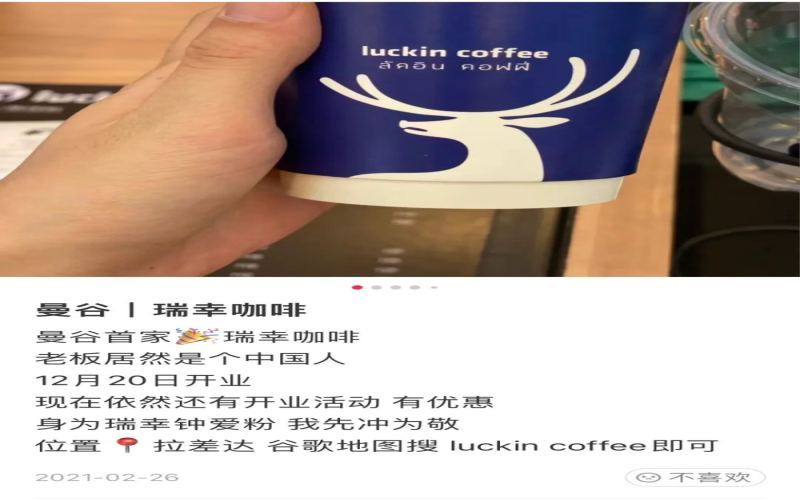
Luckin Coffee's Singapore Recruitment Push Draws Attention, Southeast Asian Coffee Market May See New Shifts
Recently, some netizens noticed that Luckin Coffee posted job openings for store manager and other positions on the Singapore recruitment website JobStreet, with salaries of approximately 19,000 to 25,000 RMB, sparking speculation about its expansion into Southeast Asia. Previously, counterfeit Luckin stores appeared in Thailand, and the company officially stated that it had not opened stores in Thailand and had taken legal action, but the store is still operating. Meanwhile, Mixue Bingcheng has successfully entered the Thai market, winning over consumers with low prices and a hygienic environment. The Southeast Asian coffee market has enormous potential, and whether Luckin is truly going overseas remains to be officially confirmed. This article sorts out the timeline of events and retains relevant recommendations from Front Street Coffee, inviting readers to follow the overseas expansion trends of Chinese coffee brands together. [more…]

Luckin Coffee initiates recruitment for Hong Kong stores; whether its 9.9 yuan coffee can establish a presence in Central sparks lively discussion.
Recently, Luckin Coffee posted recruitment posters in Hong Kong, hiring store managers, assistant store managers, and baristas for areas such as Yau Tsim Mong and Central, with pay ranging from HK$65 per hour to HK$30,000 per month. The job requirements specifically note that applicants must understand Cantonese, and non-Hong Kong residents must hold an HKID to apply. Once the news broke, netizens were both looking forward to 9.9 yuan coffee coming south and engaging in heated discussions about Hong Kong salaries and the cost of living. At the same time, Cotti and Luckin's expansion paths in the SAR and overseas have once again drawn attention. [more…]

Cotti Coffee Job Applicant Asked to Buy Their Own Uniform Sparks Controversy: Is It Legal to Pay for Your Own Work Uniform?
Recently, a job seeker on a recruitment platform questioned a Cotti Coffee store manager about the requirement to buy their own work uniform, only to be hit back with "Has your family fallen on hard times?" — sparking widespread discussion online. Cotti's customer service responded that its operating stores are all partner stores, and uniform requirements are decided by the store manager. So, is it legal for employees to pay out of pocket for work uniforms? Article 9 of the Labor Contract Law has clear provisions on this, but the specifics depend on the situation. This article sorts through the course of events, the legal boundaries, and netizens' views, and includes Front Street Coffee's professional communication channels. [more…]
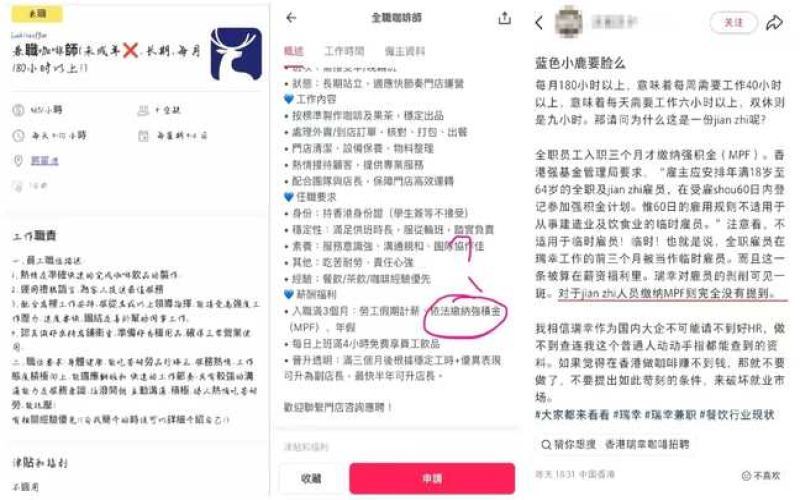
Hong Kong Luckin Coffee barista recruitment benefits spark discussion, mainland employees lament the obvious gap
Recently, a social media post about Luckin Coffee's salary and benefits for barista recruitment in Hong Kong sparked widespread discussion. The post noted that full-time baristas at Luckin in Hong Kong are entitled to paid statutory holidays, MPF, and annual leave after three months of employment, while the recruitment information for part-time positions did not explicitly mention MPF contributions. This detail quickly ignited enthusiastic discussion among Luckin workers in mainland China, with many expressing mixed feelings after comparing the treatment in the two places. However, clarification from Hong Kong netizens offered another layer of interpretation—the MPF is fundamentally an employer's statutory responsibility, not an extra benefit. This cross-border discussion reflects differences in awareness of labor rights. Front Street Coffee continues to follow developments in the coffee industry and brings you in-depth analysis. [more…]
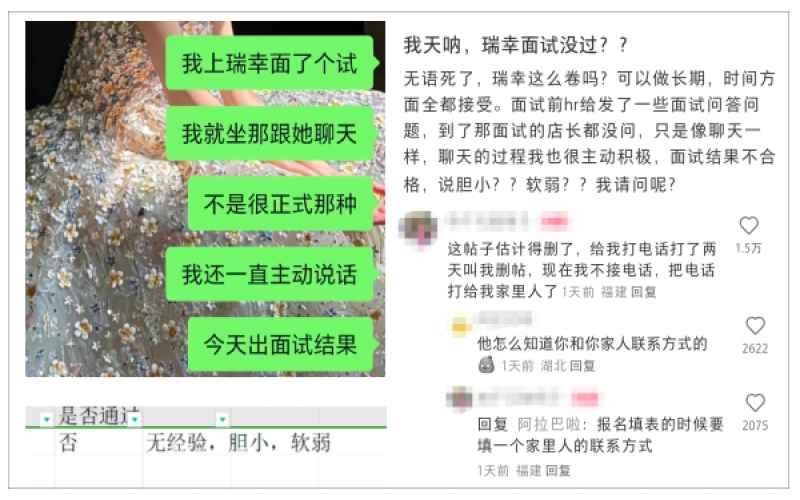
Luckin Coffee interviews frequently trend on social media: job seekers labeled negatively, recruitment standards spark controversy
Recently, Luckin Coffee has hit the trending topics twice in a row over interview-related incidents, sparking widespread discussion. One job applicant said that after failing an interview, she was labeled "timid and weak," which was completely at odds with her performance that day; another 26-year-old woman was rejected for being too old. The poster also revealed that Luckin staff had called her demanding she delete the post, and after she refused, they turned to contacting her family. These incidents have drawn public attention to this chain coffee company, whose store count has now surpassed 20,000, and the issue of inconsistent hiring standards under its two models—directly operated and joint-venture—has gradually come to light. [more…]